
Attachment to objects: viewing decluttering differently
A few days ago, I listened to an interview about attachment to objects that made me think deeply.
This discussion brought together clinical psychologist Marc-André Dufour and sociologist Valérie Sacriste, author of the book Our lives, our objectsDuring their exchange, I caught myself taking notes. The more I listened to their thoughts, the more I thought of the people I support with StéZen.
I was thinking about those clients who tell me: "I know I bought too much of it, but I couldn't pass up that discount, it was really worth it!". Or even: "I haven't used it yet, but just in case I might need it in the future?".
This interview put words to something I have been observing for years: decluttering is almost never a simple matter of organization. It is often a matter of emotions.
So I wanted to share with you the reflections that left the biggest impression on me, the connections I made with my daily life as a professional organizer, and why I believe this discussion can also make you see your belongings differently.
Attachment to objects: much more than just a matter of memories
One of the first ideas discussed in the interview is that our objects are often worth much more than their material value.
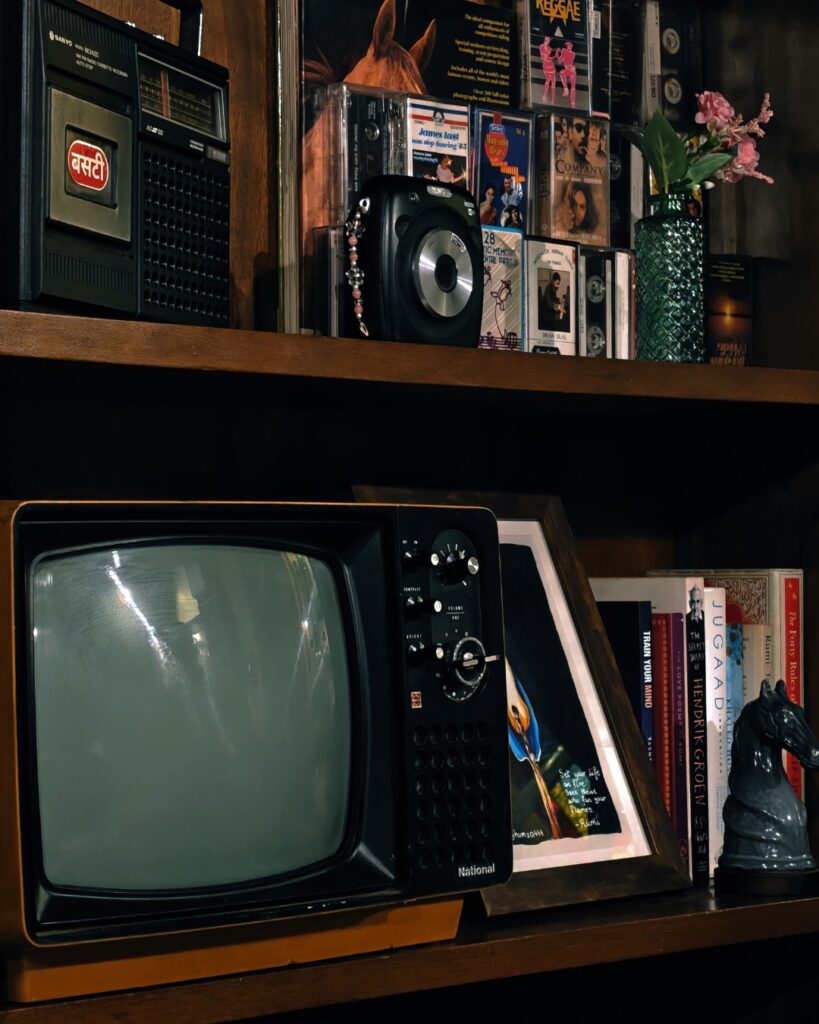
They tell our story. They represent important people. They embody moments in our lives. Sometimes they become a true extension of ourselves.
This thought immediately resonated with me.
When I help a client declutter, I quickly realize that it is almost never the object that is hard to let go of. It's what it represents.
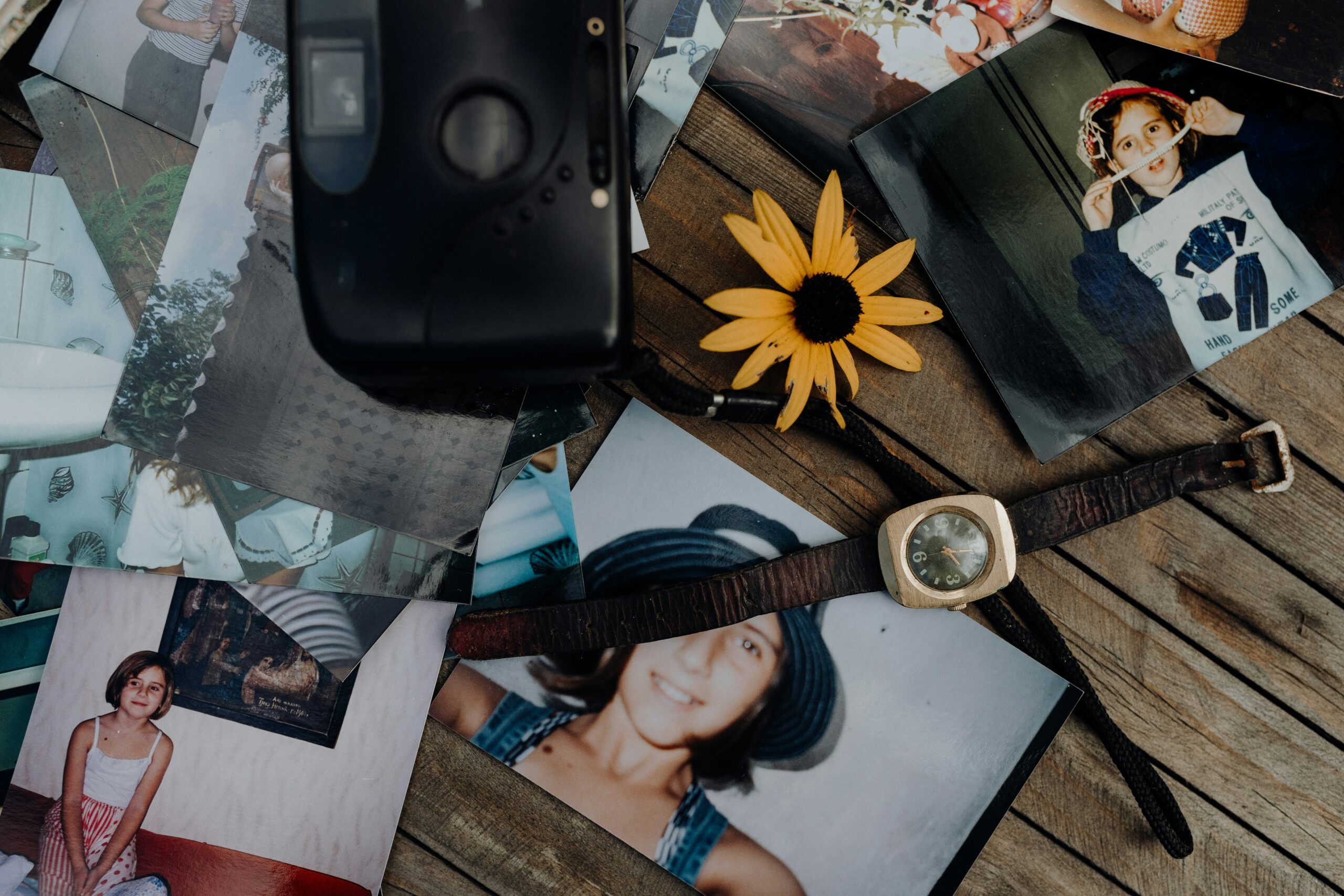
An old blanket can bring to mind a grandmother. A concert ticket can plunge us back into a happy period of our life. A box filled with children's drawings becomes the tangible testimony of years that have gone by far too quickly.
In his book Our lives, our objects, Valérie Sacriste explains that objects become the archives of our existence. I find this image particularly accurate. They allow us to tell our story, but also to remember who we are.
Ultimately, decluttering isn't about getting rid of simple objects. Sometimes it's about revisiting a part of one's life.
Why do objects give us a sense of security?
Another part of the interview particularly caught my attention.
The speakers explain that objects often play a role in emotional regulation. They reassure us. They make us feel secure. They become reference points, especially when our lives are disrupted.
Upon reflection, this explains why it is often more difficult to decluttering one's home after a major period of transition like a bereavement, a separation, or a move.
In those moments, objects sometimes become the only elements that seem immutable. They give us the impression of maintaining a connection with our past or with the people who have shaped our lives.
And honestly, I find that deeply human.
We often hear phrases like: "It's just an object." It is not than an objectIt is sometimes a memory, a relationship, a part of our identity.
The comment that struck me the most
Around the 6th minute of this interview, the psychologist explains that the tendency to shop compulsively or hoard objects can sometimes address a much deeper need: that of filling an inner void with something external.
He was not saying that everyone who loves to shop or keep objects experiences this reality. Quite the contrary. He reminded us that attachment to objects is normal.
What becomes more concerning is when objects or purchases become our primary way of reassuring ourselves. He then speaks of emotional autonomy: our ability to find a sense of security within ourselves rather than through what we own.
Around the 10th minute, this idea is taken even further. The psychologist explains that the problem is not finding comfort in an object from time to time, but constantly searching for that feeling of security through accumulation or purchasing. Instead, he invites us to develop other ways of soothing ourselves and to turn more toward our inner resources.
I find this nuance to be extremely important.
Like professional organizer, I often meet people who feel guilty because they are attached to their things. This interview is a reminder that this attachment is profoundly human. On the other hand, it also invites us to ask ourselves an essential question: do my things bring me comfort... or have they become my main way of managing my emotions?
I believe this thought deserves taking the time to respond to, with kindness and without judgment.
Attachment to objects or hoarding: an essential nuance
I also really liked the way the speakers distinguish between attachment to objects and accumulation.
These two realities are often confused.
Being attached to certain objects is completely normal. We all are, to varying degrees.
Around the 5th minute, the speakers discuss hoarding disorder and Diogenes syndrome. I found it important that they reminded us not to confuse these realities with simply being attached to a few objects we hold dear.
Accumulation becomes different when it invades our space, affects our quality of life, or causes real distress.
As a professional organizer, I meet people experiencing a wide variety of situations. Some simply want to make a little space in their home. Others live with a much larger accumulation, sometimes present for several years.
In any case, my approach remains the same: understand before acting.
If you feel that your accumulation is overwhelming you, isolating you, preventing you from using certain rooms in your house, or becoming a major source of anxiety, know that you do not have to go through this situation alone. Professional support can make a real difference, and in some cases, it can also be beneficial to be accompanied by a mental health professional. These approaches are complementary and allow you to move forward at your own pace, without judgment.
Some questions that can help us think
This interview didn't just help me better understand certain realities. It also made me want to reflect on our own relationship with objects.
Around the 14th minute, the discussion also touches on our consumer society, fast fashion, and the ease with which we sometimes try to fulfill an emotional need by buying new items. I found this reflection particularly relevant today.
If certain passages resonated with you, here are a few questions you might ask yourself:
- Am I keeping this object because it represents an important memory... or because I am afraid to let it go?
- Do my purchases stem from a real need, or are they sometimes an attempt to soothe an emotion?
- Do I feel temporary relief when I buy something?
- What other ways could I use to regain a sense of calm or safety?
- Do my objects occupy the space I want to give them in my home?
- Does my environment give me a sense of calm or, conversely, is it becoming a source of stress?
There are no right or wrong answers.
The goal is not to make you feel guilty, but to better understand our relationship with objects. Because when we understand what they represent and the role they play in our lives, it becomes much easier to make choices that reflect who we are.
What I take away from this interview
It is normal to be attached to certain objects. They tell our story. They bear witness to the bonds we have forged and the moments that have shaped our lives.
Decluttering is never about erasing all of that. Quite the contrary.
He invites us to make room for what truly matters and to keep the objects that still hold real value for us today.
Taking care of our interior doesn't just come down to what we choose to keep in our home, but also the resources we develop within ourselves.
I find that to be a very beautiful way of seeing things... and a reflection that I wanted to share with you.